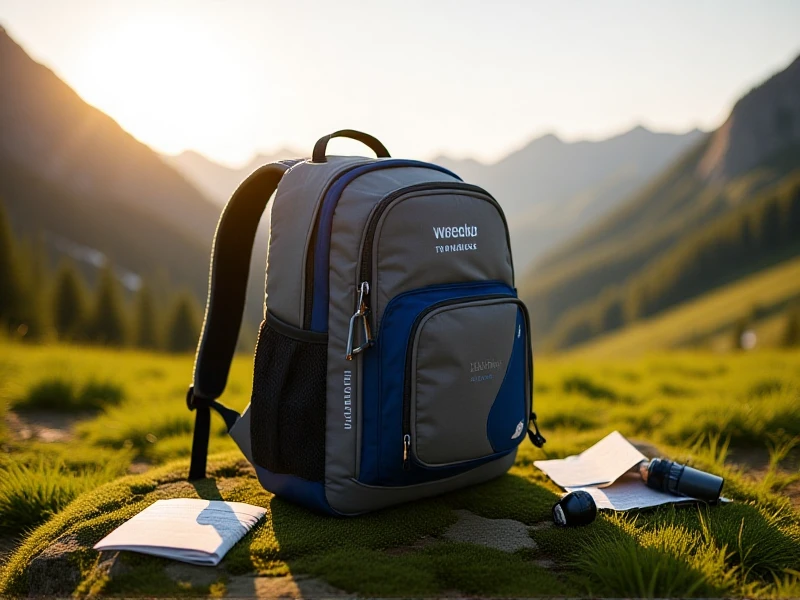
The Ultimate Guide to Choosing Your Perfect Backpack
Okay, here is an SEO-optimized blog post about backpacks, focusing on the keyword, written naturally and avoiding AI markers:
We all need one. Whether you're heading to the office, hitting the trails, navigating campus, or jetting off on an adventure, a reliable backpack is an essential companion. But not all backpacks are created equal. Choosing the right one makes a huge difference in comfort, convenience, and organization. Feeling lost in the sea of options? Don't worry – this guide breaks down the key factors to help you find your ideal pack.
1. Know Your Mission: What's Your Primary Use?
What will you carry most often? Your backpack needs to suit your main activity.
- Daily Commute & Urban Use: Look for sleek designs, laptop compartments (sized correctly!), and easy-access pockets for essentials like keys, wallet, and phone. Water-resistant materials are a city lifesaver. Moderate capacity (20-30L) is often ideal.
- Travel: Focus on versatile carry-on sizes (around 40L), clamshell opening for easy packing, sturdy materials, and preferably lockable zippers. Comfort during long walks through airports or cities is crucial.
- School/University: Organization is key! Multiple compartments for books, binders, laptops, tablets, and stationery are essential. Padded straps and back support become vital under the weight of textbooks. Look for durability to last the academic year.
- Hiking & Adventure: Technical features reign supreme. Prioritize a fitted harness system, load lifter straps, hip belts that actually transfer weight, a frame (internal or external), hydration compatibility, and tough, weather-resistant materials. Ventilation on the back panel can be a game-changer.
2. Comfort Isn't Optional, It's Essential
A heavy or poorly fitting backpack can lead to aches, pains, and even long-term problems. Pay close attention to the suspension system:
- Straps & Harness: Padded, contoured shoulder straps are non-negotiable. Adjustable sternum straps help stabilize the load. For larger/heavier loads, a substantial hip belt that sits on your hips (not your waist) is the secret to carrying weight comfortably.
- Back Panel: Look for padding and structure. Ventilated mesh panels provide crucial airflow and reduce sweating during active use or warm weather.
- Fit: Try it on loaded if possible! Adjust all straps. It should feel stable and balanced, with the weight primarily borne by your hips (for packs with belts).
3. Capacity & Organization: Size Matters (and So Does Layout)
Capacity is measured in liters (L).
- Small (Under 20L): Perfect for minimal daily carry-ons, day trips, or as a personal item.
- Medium (20-40L): The sweet spot for school, light travel, commuting, and longer day hikes.
- Large (50L ): Reserved for multi-day hiking, backpacking trips, or carrying very bulky gear.
- Internal Organization: Think about what you carry. Do you need dedicated padded sleeves for tech? Lots of pockets? One large cavernous space? Quick-access pouches? Water bottle pockets are standard, but check their size and accessibility. Consider how the main compartment opens (top-loading vs. clamshell) for packing ease.
Choosing the best backpack is an investment in comfort, efficiency, and your gear's safety. By carefully considering your primary needs, prioritizing a comfortable fit, and choosing the right size and features, you'll find a backpack that becomes an indispensable part of your everyday carry or adventure.
Ready to find your perfect match? Explore our curated collection of backpacks for every lifestyle and purpose! We offer detailed size guides and feature breakdowns to make your choice simple.